
Does iodine kill good gut bacteria?
Short answer: iodine does not kill gut bacteria at normal doses. Most of it is absorbed in the stomach and upper small intestine, so very little reaches the good bacteria, most of which live in your colon.
If iodine is antibacterial and anti-fungal, how does it improve gut flora? Iodine is a basic element with strong antimicrobial properties. Your body has many specific uses for iodine and so it doesn’t want to waste it. However, taking high doses at one time may mean more iodine is exposed to flora and fauna, killing them on contact.
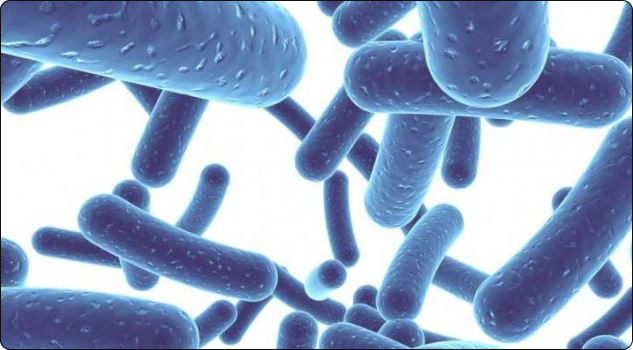
Iodine is usually absorbed in the stomach and upper small intestine before it reaches the majority of the beneficial flora and fauna, most of which live in your large intestine (colon), where they help digest our food. Populations of beneficial flora and fauna (fungi and bacteria) in normal guts have offsetting negative properties. This allows for a fluid balance. Iodine can also play the role of limiting overgrowth of bacteria and fungi.
The different forms of iodine also matter. Pure iodine kills all kinds of bacteria but it also gets changed to iodide as it interacts with things in the gut. This severely limits the ‘damage’ it can do. Still, taking too much pure iodine would be very bad for your stomach, as it would simply kill as many bacteria as it comes into contact with. Pure iodine helps control bacteria and prevent overgrowth but it has the potential to also do damage.
This is partly why we use a higher amount of potassium iodide in our formula as compared to Lugol’s. It is safer and more gentle while still delivering the iodine your body can use, as in our dual-form iodine supplement. The sodium-iodide symporter (NIS) carries iodide into the cells of the various tissues and glands that use it. Read Iodine and Iodides in Seaweeds and Supplements to know more about the different forms of iodine found in traditional diets.

Antibiotics kill beneficial bacteria indiscriminately in your small and large intestine, leaving yeasts and other fungi free to grow and upset their natural balance with bacteria. Such imbalance can cause impaired digestion leading to discomfort and diarrhea.
For high-dose iodine users, the damage caused can be compensated for by taking pre- and probiotics. Yogurt and fermented vegetables like kimchi are examples of foods with high probiotic content. Include pre- and probiotics in the diet to keep your digestion as healthy and normal as possible. Learn more about how iodine works in the body in Iodine and Detox.

Some experts suggest anyone taking high-dose iodine should eat extra probiotic foods or supplements. We see iodine as being a natural part of our diet and so we recommend eating these foods regardless. Both iodine and probiotics are incredibly beneficial, independently and also when taken together.
FAQ
Does iodine kill good gut bacteria?
Not at normal doses. Most iodine is absorbed in the stomach and upper small intestine, before it reaches the beneficial bacteria, most of which live in the colon.
Can high doses of iodine affect gut flora?
Yes. A large amount taken at one time means more iodine may reach gut microbes, and pure (molecular) iodine kills bacteria on contact. That’s why we recommend pre- and probiotic foods for high-dose users.
Which form of iodine is gentler on the gut?
Potassium iodide. Pure iodine is antimicrobial, while iodide is gentler and still gives your body the iodine it uses. That’s why our formula uses more potassium iodide than Lugol’s.
Should I take probiotics with iodine?
We recommend probiotic foods like yogurt and kimchi for everyone, and especially for anyone taking high doses of iodine.