Why KI? – Overview
KI is potassium iodide, the iodide form of iodine (K is the chemical symbol for potassium and I for iodine). This four-part series looks at why we prefer potassium iodide over Lugol’s iodine for daily supplementation.
Part I
Introduction & Parts of the Body That Use Iodine

A closer look at Potassium Iodide (KI) and Lugol’s Iodine for supplementation.
Overview of the four part article and the principles used to analyze and rank evidence. Looks at the parts of the body that are generally accepted to use Potassium Iodide.
Considers the preference for Potassium Iodide in old medical texts and gives a brief introduction to Lugol’s form.
Part II
Iodide for the Mammary Glands
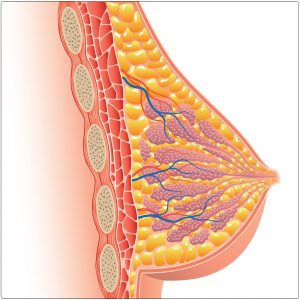
Discusses why the breasts need KI. Looks at clinical evidence from research on human subjects that compares Potassium Iodide and Lugol’s form for treating abnormal breast tissue.
Considers evidence from a rat study and compares to the evidence provided by human studies.
Connection between thyroid and breast health and how we should consider using Potassium Iodide to treat and help prevent breast cancer.
Part III
Iodide for the Prostate & Stomach
Discusses why the stomach and prostate need KI.

Considers the argument for Molecular Iodine (I2) preference in the stomach which referenced the same short rat study discussed in Part II. Evaluates the argument and highlights its weaknesses.
Acknowledges that there is no argument for I2 preference in the prostate. Considers lessons learned from the Japanese diet as it relates to prostate cancer and what it means for the form of iodine preferred by the prostate.
Part IV
2 Correct Answers and Elemental Iodine Available in Different Forms

Discusses why both Lugol’s and Potassium Iodide tablets are effective.
Examines the amount of elemental iodine available in Lugol’s and KI tablets.
Considers how the body absorbs I2.
Addresses some responses to the KI position and provides a summary for the article.
FAQ
What does KI stand for?
KI is the chemical formula for potassium iodide: K is the symbol for potassium and I is the symbol for iodine. Potassium iodide is the iodide form of iodine.
How is Lugol’s iodine different from potassium iodide?
Lugol’s iodine is a solution of molecular iodine (I2) and potassium iodide in water, usually 5% iodine and 10% potassium iodide. Potassium iodide on its own provides iodide only. The Why KI? series compares the two forms for supplementation.
Related Posts
Lugol’s Iodine: Not Created for Supplementation
Nascent Iodine vs Lugol’s Iodine
Iodine and Iodides in Seaweeds and Supplements