Iodine for Vegans
Vegans tend to get less iodine than any other diet group, and a vegan iodine supplement is the most reliable way to close the gap. At Zen Haus, we are committed to fostering holistic wellness while supporting intentional, plant-based living. Iodine, a vital mineral essential for thyroid health, metabolic function, and sustained energy, presents a unique consideration for those embracing a vegan lifestyle. Vegans may be at higher risk of iodine deficiency due to dietary restrictions. In this post, we explore the significance of iodine for vegans, identify vegan-appropriate sources and supplementation options, and offer practical insights to ensure nutritional balance. Discover how to thoughtfully integrate this crucial nutrient while aligning with your values of compassion and well-being.
Vegans Are at Risk of Being Iodine Deficient
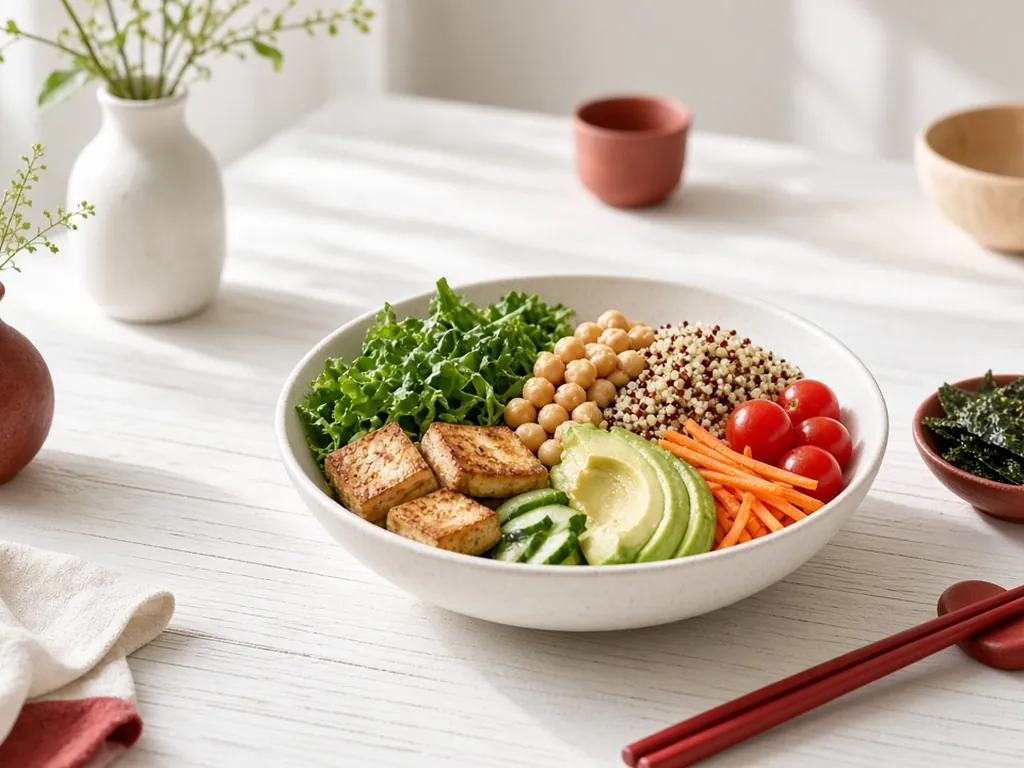
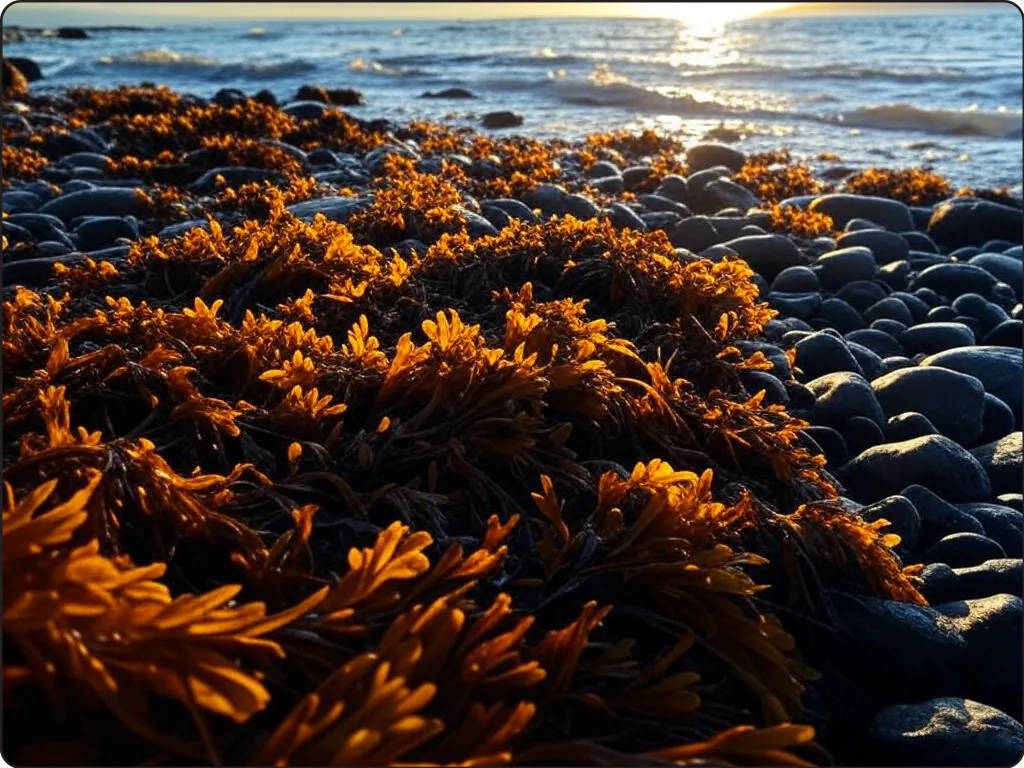
Vegans depend on plant-based sources for iodine. We applaud vegans for being leaders and good examples in buying locally grown produce. However, with both local farming and modern agriculture, the soil is usually not iodine-rich. Omnivores typically obtain iodine from foods like fish, dairy, and eggs, so vegans must turn to alternatives such as sea vegetables like kelp or nori. These sources vary widely in iodine content, and frequent consumption may lead to accumulating heavy metals, like the inorganic arsenic found in hijiki seaweed, posing potential health risks.1
Many vegans also bypass iodized salt, a primary iodine source for most people, opting instead for unfortified options like sea salt or Himalayan pink salt. Whole-food vegan diets also tend to exclude processed foods, though in the US most processed foods use non-iodized salt anyway.2
Without deliberate planning, these factors can lead to inadequate iodine intake, potentially causing symptoms like fatigue, weight gain, or cognitive difficulties. Research highlights that vegans face a higher risk of iodine deficiency, particularly in regions with iodine-poor soil.3 In a 2023 review of 11 studies, vegans had the lowest iodine intake of any diet group, about 17 mcg a day, compared with the 150 mcg RDA.4 To sustain their health while honoring a compassionate lifestyle, vegans should actively pursue reliable iodine sources or consider supplementation for vitality and well-being.
Health Risks of Iodine Deficiency for Vegans

Iodine deficiency poses significant health risks for vegans, as this essential mineral is critical for thyroid function and overall metabolic balance. Without adequate iodine, vegans may experience a range of debilitating symptoms that disrupt their well-being.
First, thyroid disorders, such as hypothyroidism or goiter, can develop when iodine levels are insufficient, leading to an under-active thyroid that impairs hormone production and causes swelling in the neck.
Second, cognitive impairment is a serious concern, particularly for pregnant vegans or their children, as iodine deficiency can hinder brain development, resulting in reduced cognitive function or developmental delays.
Third, energy depletion is common, manifesting as persistent fatigue, weakness, or sluggishness. This can undermine the vibrant lifestyle vegans often seek.
Fourth, weight gain and metabolic slowdown occur as the thyroid struggles to regulate metabolism, leading to unexplained weight increases and difficulty maintaining a healthy body composition (see Iodine and Metabolism).
These risks are heightened for vegans due to limited dietary sources of iodine, especially in regions with iodine-poor soil. Vegans are more susceptible to these issues without proactive measures like consuming iodine-rich sea vegetables or supplements. By addressing iodine intake with intention, vegans can mitigate these health risks, ensuring their plant-based lifestyle supports both their physical vitality and commitment to ethical and compassionate living.
Vegans Can Ensure Adequate Iodine Intake

Maintaining adequate iodine intake is essential for vegans to support thyroid health and overall vitality while adhering to a plant-based lifestyle. A daily maintenance dose of 12.5 mg is recommended for most adults. This far exceeds the official RDA amounts (see Low RDA Amounts). Vegans can try to achieve this through strategic dietary choices and supplementation.
Sea vegetables, such as nori, kelp, or dulse, can be potent iodine sources but content varies. Moderation is key to avoid heavy metal accumulation. For example, 2 tablespoons of flaked dried nori (5 g) has about 116 mcg of iodine and can be helpful when consumed regularly.2 (see Iodine and Iodides in Seaweeds and Supplements).
Iodized salt is a reliable low-dose option. A quarter teaspoon of US iodized salt has about 78 mcg of iodine, roughly half the 150 mcg RDA, so vegans favoring unfortified salts should plan accordingly.2
Fortified plant-based milks, like soy or almond milk, may offer iodine, but labels must be checked for fortification. Most are not: in one UK study only 3 of 47 milk-alternative drinks had added iodine.5
Pregnant or breastfeeding vegans need more iodine (the RDA rises from 150 mcg to 220 mcg during pregnancy and 290 mcg while breastfeeding) and should consult a healthcare provider.2
For consistency and safety, a vegan-friendly iodine supplement like Zen Haus Iodine can ensure the maintenance target. Regular monitoring, through dietary tracking or periodic thyroid function tests, can prevent deficiency. By thoughtfully incorporating these sources, vegans can sustain their health and compassionate values with confidence.
Practical Tips and Precautions
Start low, for example with half a 12.5 mg tablet a day or one tablet every other day, and gradually increase to a maintenance dose of 12.5 mg to allow your body to adjust. Very sensitive users can begin with a 1 mg tablet. Incorporate sources like seaweed (nori, wakame, or kelp), iodized salt, or fortified vegan foods, checking labels for iodine content.
A supplement from a reputable brand like Zen Haus makes it simple. See our Iodine Dosages post for guidance. If you are still not sure, consult a healthcare provider to determine the proper dosing to start with.
We recommend:
- avoid depending on sea vegetables and seafood as the primary source of iodine
- start with a low daily dose and build up to a maintenance amount
- if pregnant or breastfeeding, consult a doctor, as iodine needs vary
- avoid mega doses which may cause harm
- if you have pre-existing thyroid conditions or take medications discuss these dietary changes with a healthcare provider
- choose iodine-fortified sea salts
Consistency and moderation are key to safely meeting your iodine needs on a vegan diet.
FAQ
Do vegans need an iodine supplement?
It is the most reliable option. Fish, dairy and eggs are off the table, iodine-poor soil limits produce, many vegans skip iodized salt, and seaweed varies widely in iodine and can carry heavy metals. A vegan-friendly supplement makes it easy to reach the maintenance target consistently.
How much iodine should vegans take?
We recommend a maintenance dose of 12.5 mg a day for most adults. Start low, with half a tablet a day or one tablet every other day, and build up gradually. If you are pregnant or breastfeeding, consult a doctor first.
Is the Zen Haus iodine vegan?
Yes. Zen Haus 12.5 mg Iodine with Selenium is vegan, non-GMO and made in the USA. Each tablet has 12.5 mg of iodine (about 25% molecular iodine and 75% iodide) with 40 mcg selenium.
Which seaweed has the most iodine?
Kombu has by far the most, wakame comes second and nori has the least (see Iodine in Seaweed). Content varies a lot, so seaweed should not be your only iodine source.
Summary