
There are many herbal remedies for improving respiratory health. Here we present nine herbs, from around the world and across time, and briefly explain the respiratory health benefits of each. These herbs can be enjoyed as food, drinks and inhalants. To get the most benefits we recommend using all nine of them and in various forms because they work in different ways and with different compounds.
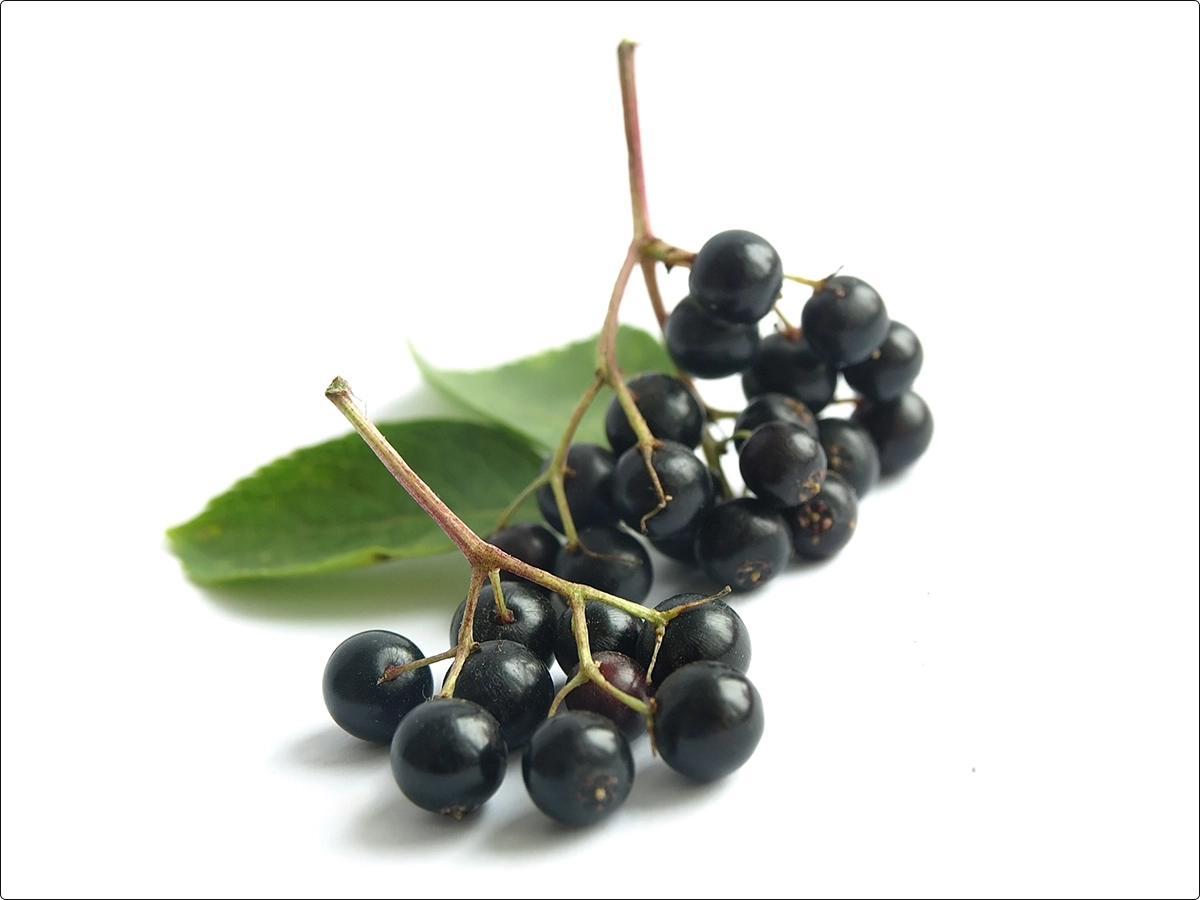
Black Elderberry
Some experts recommend elderberry to help prevent and ease symptoms for cold and flu.
- used for respiratory tract viral infections due to immuno-modulatory properties
- antiviral activity due to high concentration of flavonoids
- extracts have shown antibacterial activity in vitro against some respiratory pathogens
- help tame inflammation, lessen stress, and help protect your heart
- used for fighting the common cold, influenza, sinus pain, chronic fatigue syndrome (CFS) and boosting the immune system
- dietary supplements with elderberry found to substantially reduce upper respiratory symptoms1
- typically consumed as food and often as a syrup
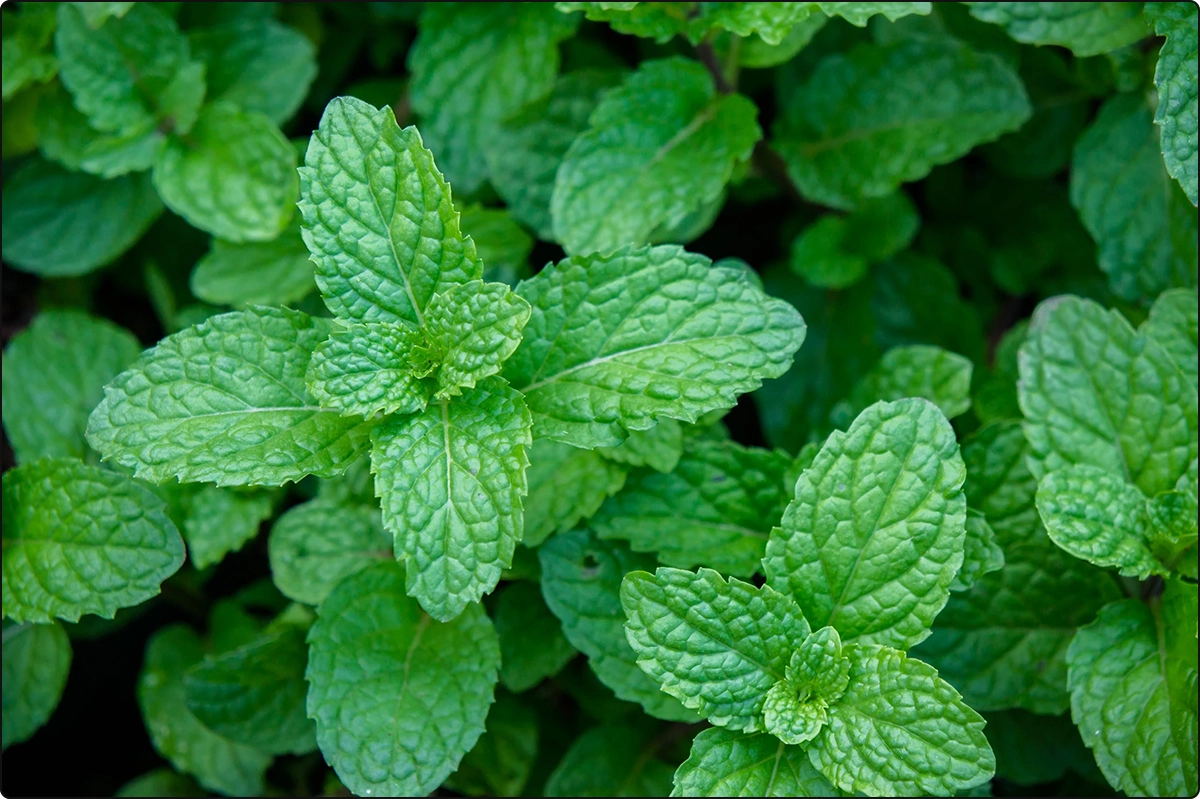
Peppermint
The menthol contained in peppermint can soothe the respiratory tract.
- menthol has the ability to loosen and bring up mucus from the lungs
- peppermint is an antihistamine and anti-oxidant
- effective in fighting congested airways and also combats many harmful organisms
- in a 2012 Heidelberg University study, peppermint oil was the strongest of the essential oils tested against bacteria and fungi, and the researchers concluded that a peppermint-oil-based blend can be useful for treating uncomplicated infections of the respiratory tract2
- can be enjoyed by eating its fresh leaves or mixing them in a fruit salad
- may also be used as a tea or inhale the oil with steam if you enjoy the scent
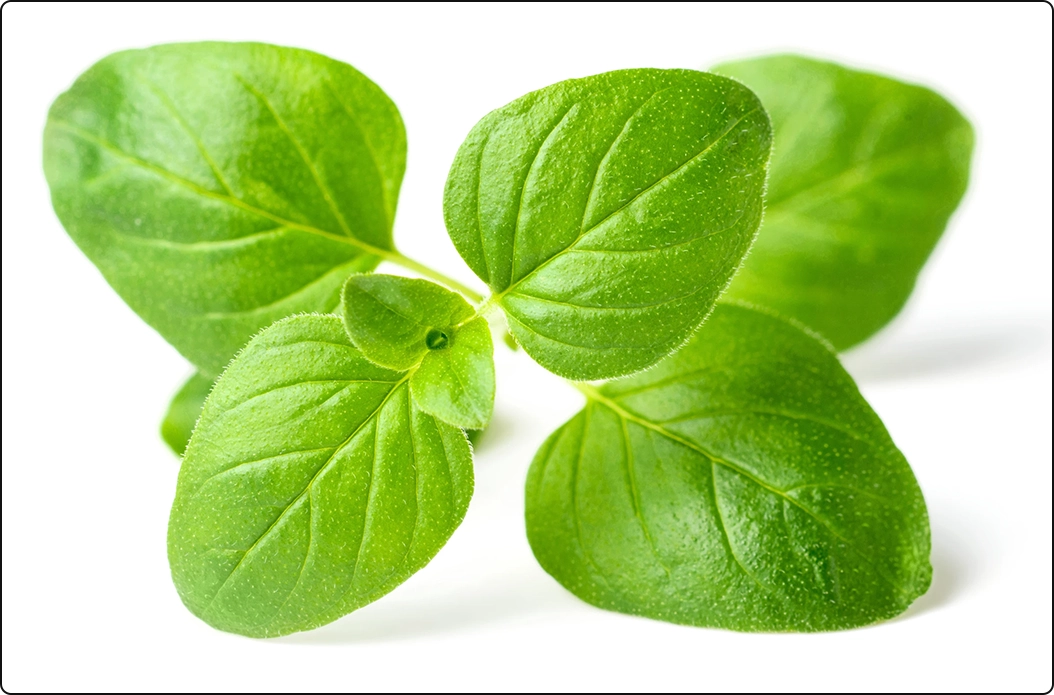
Oregano
Oregano has powerful compounds for respiratory health including carvacrol which has been found to kill bacteria and viruses.
- compounds have antihistamine and de-congestive properties and can give your immune system a boost
- effective antibiotic with germicides capable of killing wide range fungi and bacteria
- can be used for respiratory tract disorders such as coughs, asthma and bronchitis
- use oregano as a garnishing or sauce ingredient
- can use as a tea or inhale the oil with steam
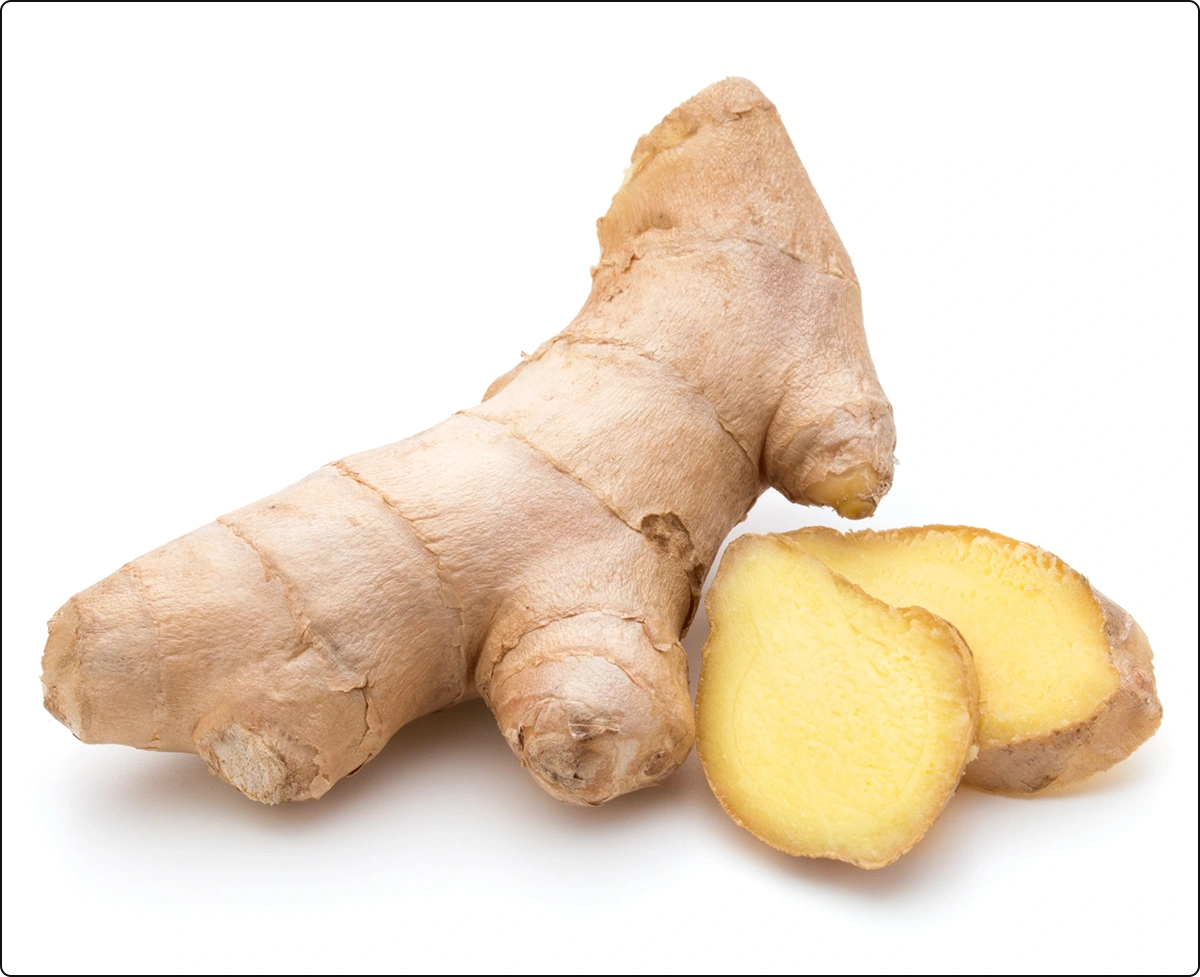
Ginger
Ginger is used as a spice and a medicine all over the world, and demand for it has been maintained throughout history.
- help break down mucus making it easier for you to breathe
- help improve circulation to the lungs and reduces inflammation
- used to help fight the flu and common cold
- fresh ginger seems to be more effective for fighting viruses3
- often used to ease nausea, and research shows it may help with nausea and vomiting in pregnancy4
- can be found in many dishes throughout the world and is also popular as a tea

Echinacea
Echinacea was used in traditional herbal remedies by the Great Plains Indian tribes for coughs, sore throats, headaches and as pain medication.
- contains plant compounds that function as antioxidants
- commonly used as a dietary supplement for the common cold and other infections
- can stimulate the immune system to more effectively fight infections
- used to shorten the duration of the common cold and flu, and reduce symptoms, such as sore throat (pharyngitis), cough, and fever
- many herbalists also recommend echinacea to help boost the immune system
- can be enjoyed as a tea or by inhaling the oil with steam
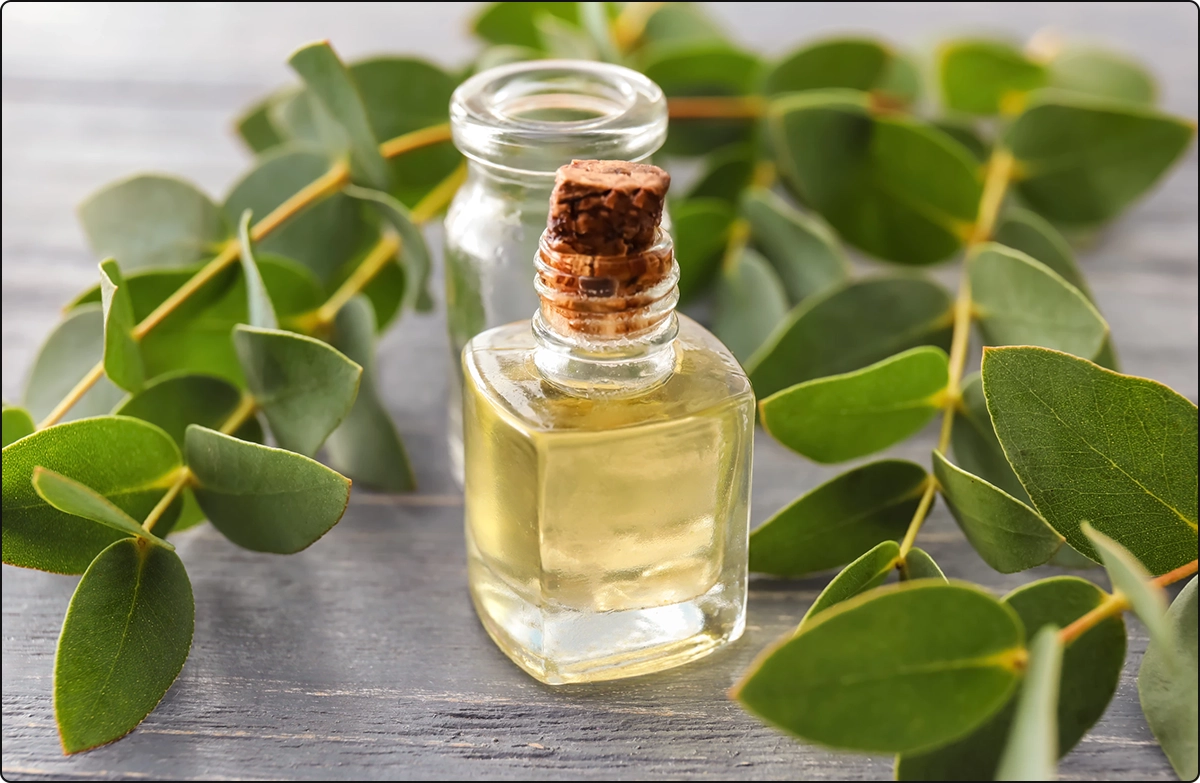
Eucalyptus
Local aboriginal communities in Australia used it to heal wounds, stave off infections and create infusions that ease congestion, colds and fevers when inhaled. Place 1-3 drops of eucalyptus oil into a bowl of hot water and breathe in the steam.
- can help to clear stuffy nasal passages
- dilate the bronchioles in your lungs
- helps loosen the sticky mucus in your respiratory system
- try heating some Eucalyptus oil in the bathroom while having a warm shower
- use a Eucalyptus air freshener or spray to help kill airborne pathogens
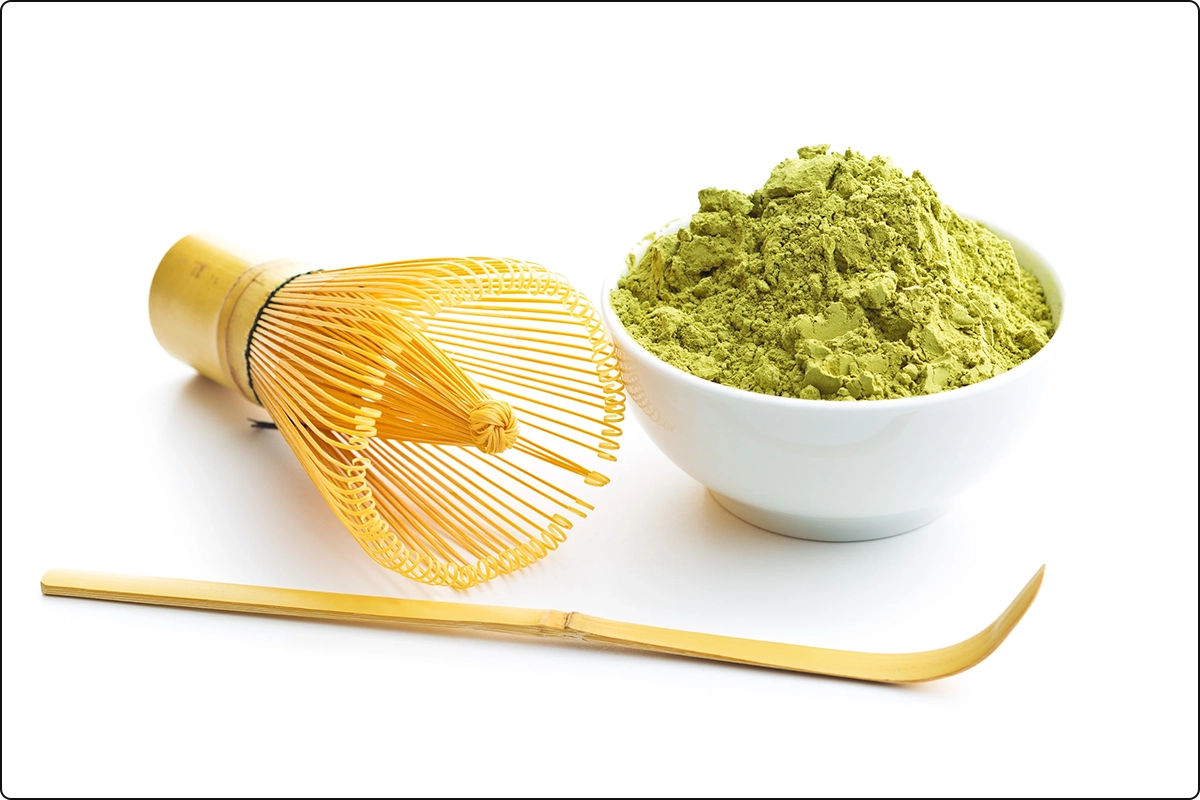
Green Tea
Green tea contains antioxidants that can help reduce inflammation in the lungs.
- compounds can protect lung tissue from the harmful effects of smoke inhalation
- a survey of 13,570 Korean adults aged 40 and over found that those who drank green tea at least twice a day had better lung function than those who never drank it5
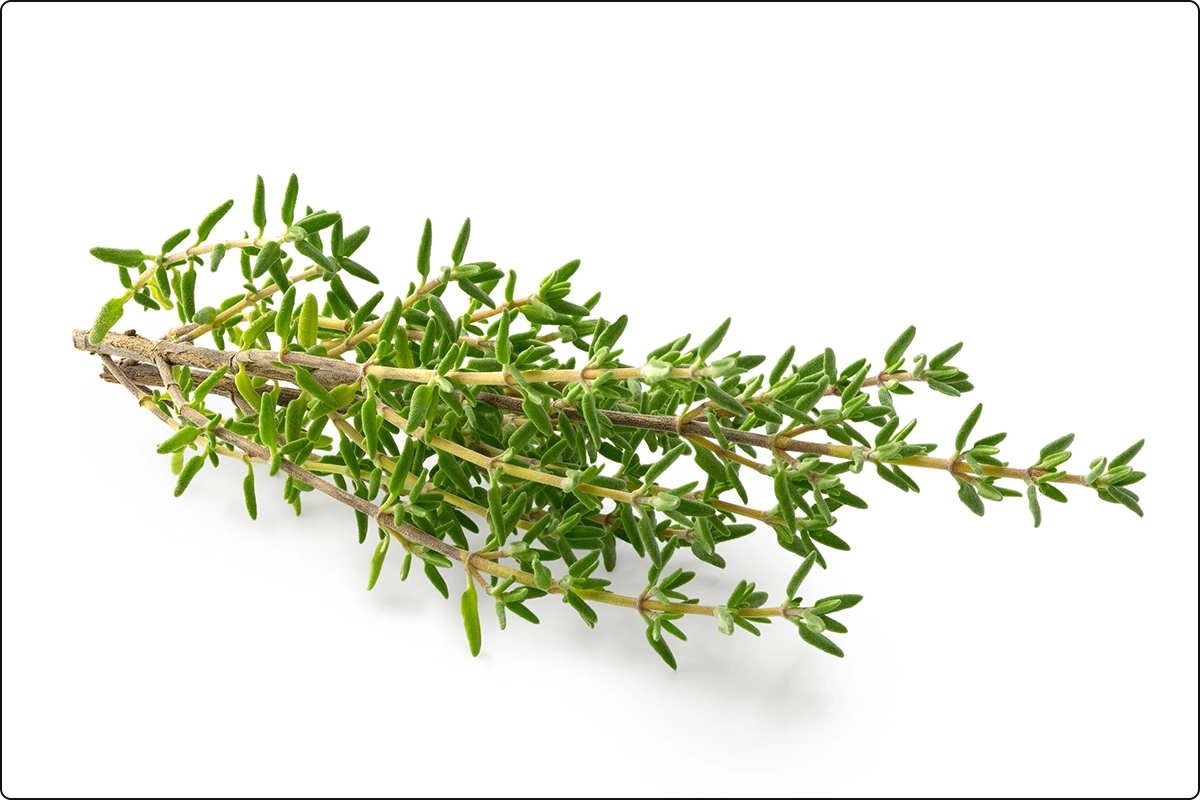
Thyme
Thyme is always popular in the culinary arts and is also a potent medicinal herb with many therapeutic properties and uses.
- helps fight respiratory infections and is a natural expectorant that serves as an antiseptic and helps expel mucus
- beneficial for colds, coughs, respiratory health, promoting breathing and breaking up phlegm
- can be added to your food and it can also be made into a tea or extract
- thyme essential oil is often used as a natural cough remedy

Olive Leaf
Olive Leaf Extract (OLE) is traditionally used in Western Herbal medicine to relieve symptoms of coughs, sore throats, colds and flu and upper respiratory tract infections.
- contains polyphenols, notably oleuropein and hydroxytyrosol, having antiviral, antibacterial, anti-inflammatory and antioxidant properties that reduce upper respiratory illness rates
- compounds interact with the protein of virus particles and reduce infection
- slow replication of viruses known to cause colds, the flu and respiratory infection
- oleuropein is broken down to elenolic acid which has a powerful antibacterial effect
- can interfere with the critical amino acid production essential for viruses
- shown to stimulate phagocytosis, the process by which cells called phagocytes engulf and destroy harmful foreign particles in our bodies like bacteria and viruses
- olive leaf extract is typically consumed as a food supplement
Putting It All To Work
With so many options to work with we recommend choosing at least one herb from each category and set your intention to incorporate each of these into your weekly routine. For example, we would use eucalyptus oil for aromatherapy and steam breathing, and complement that by eating more oregano, ginger and thyme and drinking peppermint and green teas. Using the Zen Haus Immune Support supplement will provide you with non-GMO Echinacea, Black Elderberry and Olive Leaf Extract. Then you will have covered nine traditional herbal remedies used around the world for respiratory health. You will also have the immune system benefits of Zinc, Magnesium and Quercetin included in the supplement.